
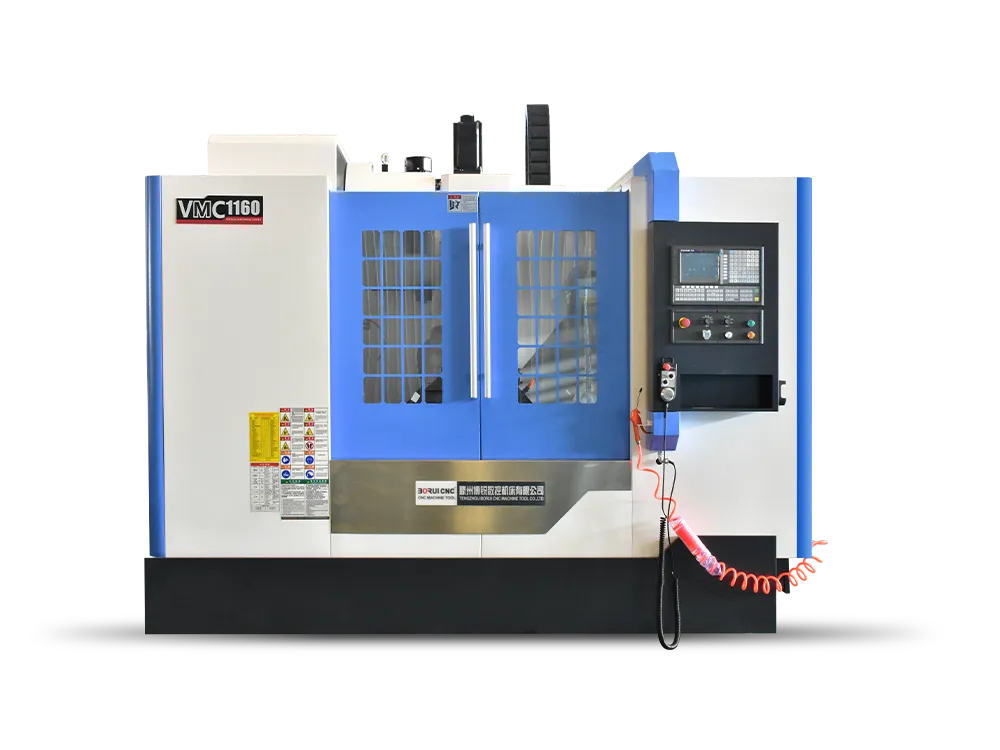
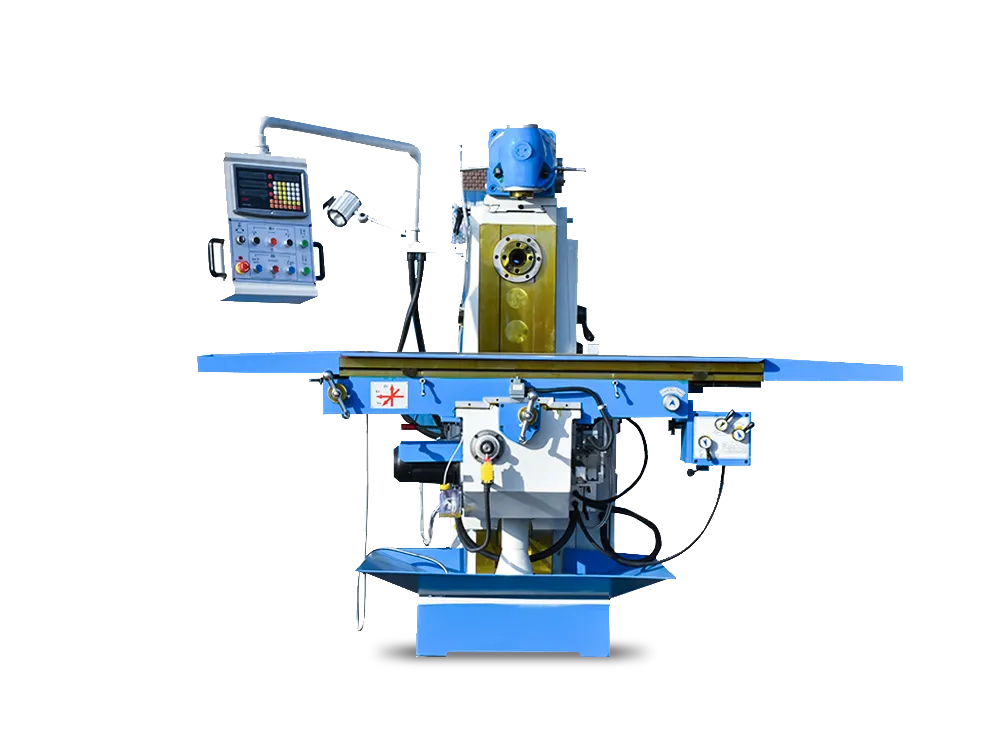
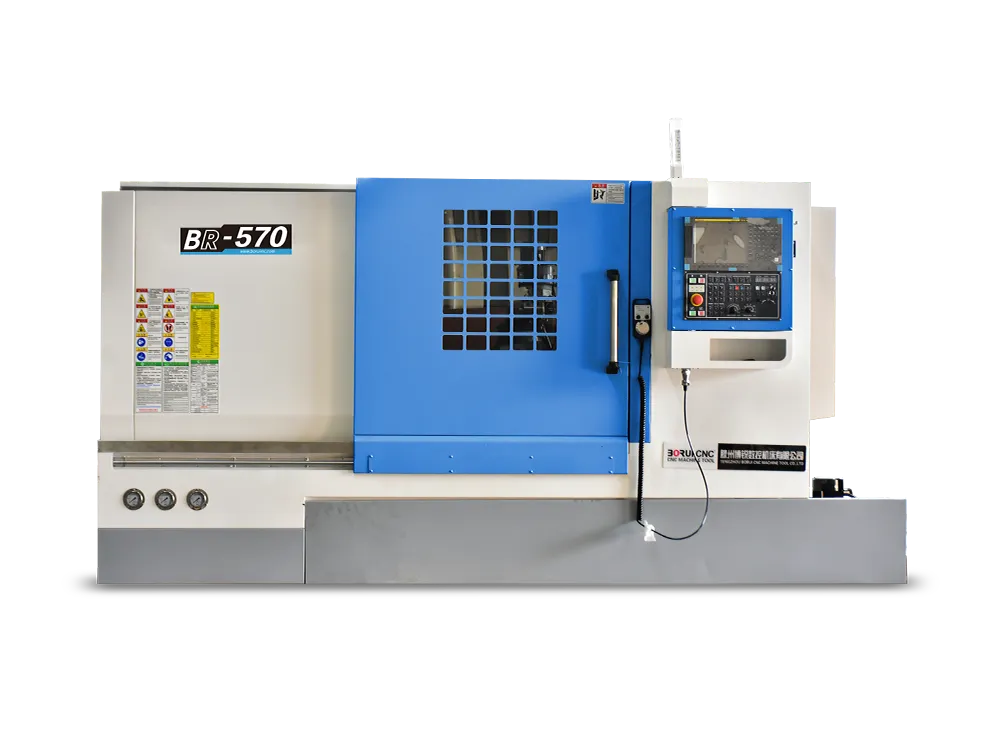
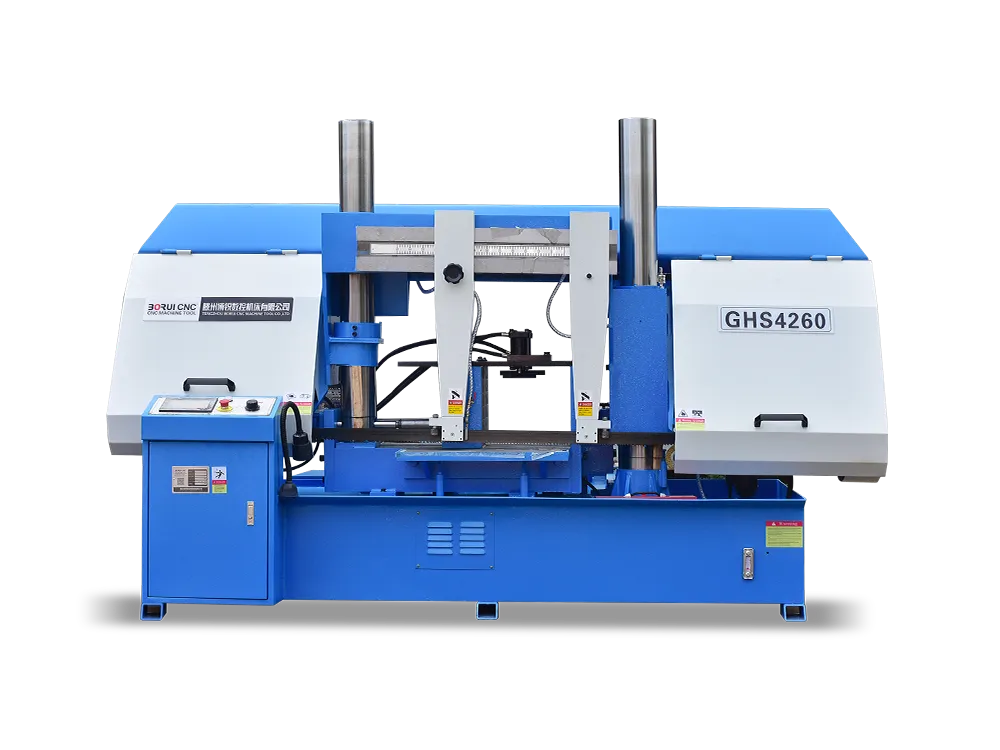

Have you ever wondered what a CNC milling machine can actually make?
You’ve seen the machines. You’ve heard the buzzwords. Precision. Speed. Automation.
But let’s get real. What can you actually produce with it?
This guide lays it out plain and simple.
Whether you’re building in your garage, or scaling production, you’ll see exactly how CNC milling fits into your work.
And why it’s one of the smartest tools you can bring into your workflow.
Let’s break it down from the start.
What Is a CNC Milling Machine?
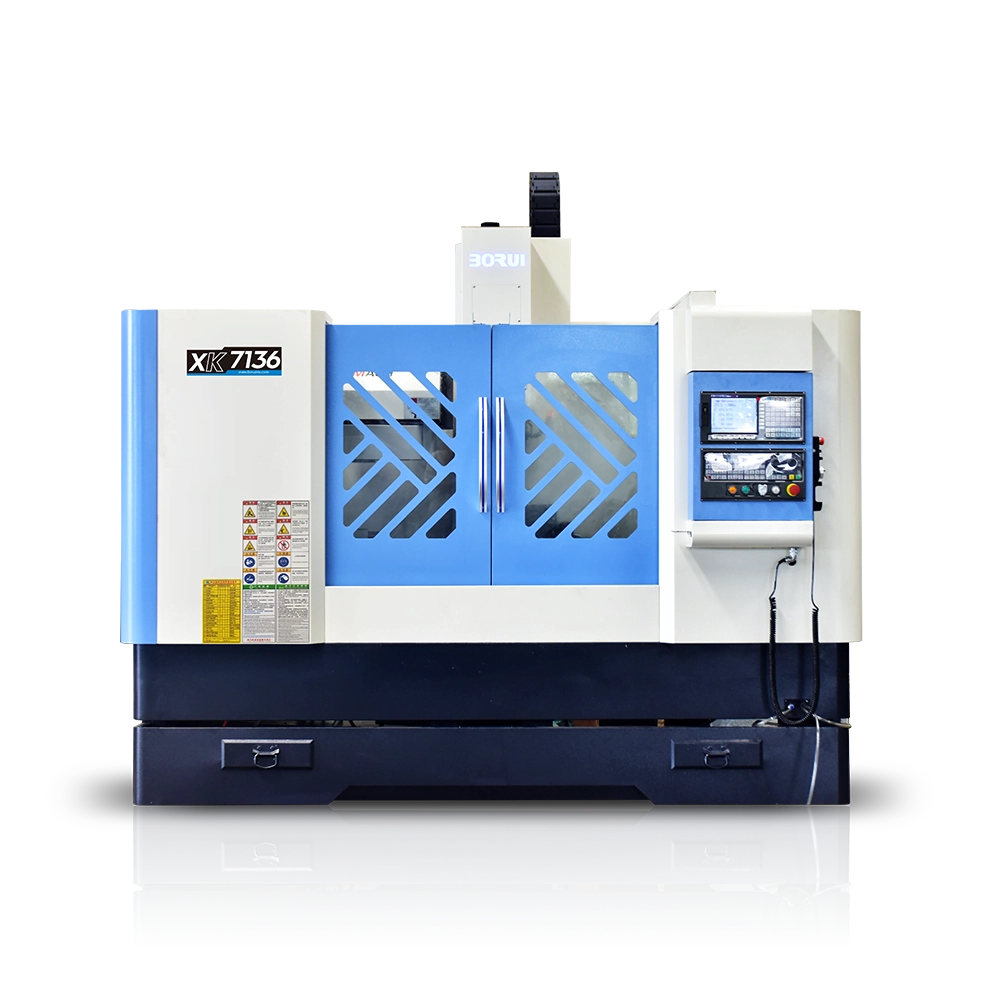
A CNC milling machine is a cutting machine that runs on code. CNC stands for Computer Numerical Control. r
That means instead of cutting parts by hand, you program the machine to follow precise instructions.
It shapes. It drills, and finishes parts from raw material, with accuracy down to a fraction of a millimeter.
No guesswork. No eyeballing. It does exactly what you tell it to do.
The tool spins fast, moves in multiple directions, and follows your blueprint exactly.
You don’t need to measure by hand. You don’t need to guess. The machine handles the heavy lifting, the math, and the movement simultaneously.
What Can a CNC Milling Machine Do?
It cuts. It drills. It mills. It engraves. It shapes.
You start with a block of material. Metal. Plastic. Wood. Foam. Then, you turn it into a usable part.
Need to:
- Mill out a precision bracket
- Cut a phone casing
- Drill holes in curved surfaces
- Engrave a logo on stainless steel
You can do all that with a CNC milling machine.
It’s like hiring a top-tier machinist who works fast and never makes mistakes.
What Can You Make with a CNC Milling Machine?
This one machine can serve dozens of industries, including:
1. Automotive Parts
CNC milling machines are essential for both aftermarket modifications and full-scale automotive production.
Think of parts like:
- Cylinder heads
- Intake manifolds
- Suspension brackets
- Brake calipers
- Gearbox housings
Each part needs to perform under stress. It has to fit perfectly, every time. CNC machines make that possible.
Even custom builds, such as vintage restorations or race mods, rely on CNC for fast, repeatable parts that bolt up without issues.
2. Aerospace Components
Aerospace doesn’t allow room for error. Parts must be light, strong, and consistent across production runs.
CNC milling plays a vital role in making:
- Jet engine turbine blades
- Fuselage components
- Wing spars and brackets
- Sensor housings
- Mounts and enclosures for avionics
These parts often require materials like titanium and high-grade aluminum, which CNC mills can easily cut.
Precision isn’t optional here. Tolerances can be in microns. A CNC milling machine hits those marks every time.
3. Medical Devices
Healthcare relies on trust. CNC machines help build that trust into every part.
Some examples:
- Custom orthopedic implants
- Joint replacement parts (hip, knee, spine)
- Surgical scissors and forceps
- Dental prosthetics
- Precision casings for imaging equipment
Medical milling often involves biocompatible metals like titanium and stainless steel. CNC makes it easy to shape these materials into smooth, reliable, sterile parts.
4. Consumer Electronics
Your phone, laptop, or tablet probably contains a part milled on a CNC machine.
Electronics brands use CNC milling for:
- Smartphone chassis and frames
- Button panels and keycaps
- Heat sinks and internal brackets
- USB port housings
- Speaker grilles and camera mounts
As devices become thinner and lighter, the tolerances tighten. CNC milling allows engineers to create seamless parts with perfect alignment.
It also supports prototyping which allows teams to go from idea to working sample in days.
5. Jewelry and Custom Accessories
CNC milling opens the door to creative freedom for makers and designers.
Jewelry shops and accessory brands use it for:
- Cutting precious metals like gold, silver, platinum
- Carving complex 3D patterns and reliefs
- Engraving personalized messages or initials
- Reproducing designs across multiple pieces
Even one-of-a-kind items benefit from CNC. You get detail, symmetry, and polish that would take hours by hand.
And because it’s digital, you can scale your designs anytime, without starting from scratch.
6. Mold Making
CNC milling is the go-to tool for building molds used in mass production.
From bottle caps to plastic trays, nearly every product you touch started with a mold made by a CNC machine.
You can create:
- Injection molds for plastics
- Die-cast molds for metals
- Blow molds for containers
- Silicone molds for casting
These molds must be exact, down to every corner radius and surface finish. CNC mills deliver the detail and smoothness needed to avoid defects and speed up production cycles.
Without precision molds, you can’t scale. CNC milling makes that scale possible.
7. Functional Prototypes
Before launching a product, teams need prototypes they can test.
CNC milling makes real, functional prototypes — not foam models or renders.
You can:
- Build a working gear system for a new bike
- Cut and test a bracket for a robotics arm
- Produce multiple iterations of a casing for drop testing
- Validate airflow through a milled intake manifold
This gives engineers and designers speed and more chances to improve before launch.
You save time, money, and guesswork.
8. Industrial Machinery Parts
Manufacturing relies on machines, and machines rely on parts.
CNC milling creates:
- Pump casings
- Motor housings
- Shafts and gears
- Valve bodies
- Bearing blocks
These aren’t decorative parts. They need to work under load, heat, and pressure. CNC milling ensures each piece is built to spec.
Even older machines benefit. You can reproduce legacy parts no one makes from a CAD file or reverse-engineered model.
What Materials Can You Use?
CNC milling is one of its biggest strengths because it can work with a wide range of materials.
Metals
- Aluminum
- Steel
- Stainless steel
- Titanium
- Brass
- Copper
Each is chosen for strength, weight, corrosion resistance, or thermal stability.
Plastics
- ABS
- Nylon
- PEEK
- Polycarbonate
Used for parts that need to be lightweight, impact-resistant, or non-conductive.
Others
- Wood
- Foam
- Carbon fiber composites
Why Do So Many People Use CNC Milling?
Because it works. Simple as that.
Here’s what it gives you:
Speed
Once the setup is done, production moves quickly. There are no manual resets, no rework.
Precision
The machine follows every step of your design with pinpoint accuracy,.
Repeatability
You don’t have to worry about part number 10 being different from part 1. Every part comes out the same.
No waste. No guesswork. No missed deadlines.
CNC Milling is a Smart Investment
You’re not just buying equipment when you buy a CNC milling machine.
You’re getting:
- Control over your production
- Freedom to prototype and launch faster
- Precision that scales from one part to a thousand
That’s power.
CNC milling gives you tools that work as hard as you do.
Conclusion
Now you’ve seen what CNC milling can make.
From engine parts to medical tools, and jewelry to jet engines.
If you’re ready to bring this power in-house, or upgrade your current setup, we’re here to help.
BORUI CNC provides machines that help you move faster, build better, and stay competitive.
Let’s discuss what you need. Contact us today, and let’s build something great.