
Introduction
In the manufacturing industry, the right processing machine can help you perform efficiently! Some machines might be confused with each other. And that’s the case with these two machines: milling machines and drill presses.
Precisely, a milling machine is a versatile machine that can handle tasks such as drilling, milling, and cutting. On the other hand, a drill press can only handle drilling tasks, or, in other words, making vertical holes on the surface or workpiece.
Seeking a keen understanding at your fingertips will help you make an informed decision. This article examines the differences between milling machines and drill presses. So, let’s explore them in detail.
Milling Machines
A milling machine is a versatile machine that shapes material using its rotating cutter. Milling machines come in several types and serve various functions in manufacturing and metalworking.
Definition
A milling machine is a versatile machine that uses rotary cutter tools for milling operations. It removes parts of a workpiece to give it a required shape. Materials can be shaped flat, angled, or irregularly by controlling the cutter’s motion and the workpiece’s feed against it.
Types of Milling machines:
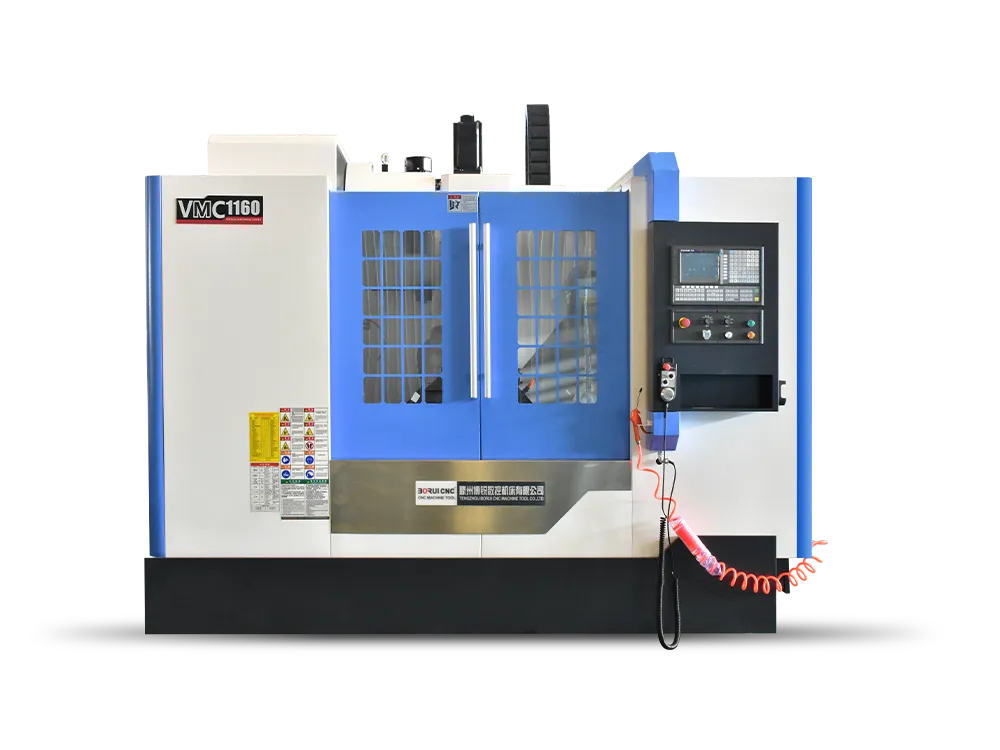
- Vertical Milling Machine: The spindle is vertical, used for creating slots, grooves, and flat surfaces.
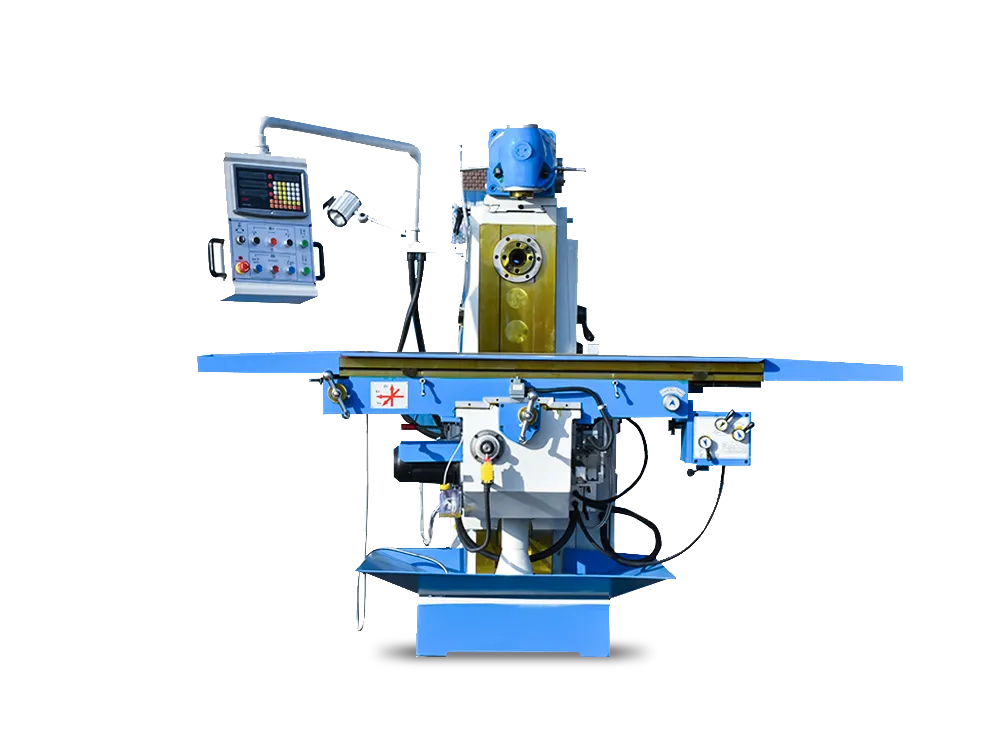
- Horizontal Milling Machine: The spindle is horizontal, making it ideal for heavy and complex cuts.
- Universal Milling Machine: Combines vertical and horizontal movements.
- CNC Milling Machine: Computer-controlled for precision and complex shapes.
Working Principle:
It works when a high-speed rotating cutter shapes the material. It is held in the spindle or arbor. The secured workpiece moves slowly against the cutter. The cutter’s teeth remove material layer by layer, producing the shape. Movements include the cutter’s rotation and the workpiece’s feed in different directions.
Characteristics:
- Multi-speed settings for different materials.
- Worktable movable in multiple directions (X, Y, Z axes).
- Ability to perform drilling, boring, tapping, and milling.
- Sturdy construction for precision and heavy-duty use.
- Some have automatic feeding and CNC control.
Applications:
- Manufacturing parts with precision in automotive and aerospace.
- Creating complex molds and dies.
- Producing flat, angled, and irregular surfaces on metal, plastic, and wood.
- Medical equipment parts machining.
- Prototyping and small to large batch production in industries.
Drill Presses
A machine that drills straight holes precisely is called a drill press. They work with various materials, including metal, wood, and plastic. It holds a drill bit in a rotating spindle and moves it vertically into the workpiece, which is fixed on a table.
Definition:
A drill press is a fixed or bench-mounted machine that drills holes with precision using a rotating drill bit pressed into the material. It offers more control and accuracy than handheld drills.
Types of Drill Presses:
- Floor-standing Drill Press: Larger, more powerful; suitable for heavy-duty work.
- Benchtop Drill Press: Compact, mounted on workbenches. Used for light-duty tasks.
- Magnetic Drill Press: Portable, with a magnet base to attach to ferrous metals; used onsite for steelwork.
- Radial Drill Press: Has an arm for moving the drill head horizontally for larger workpieces.
Working Principle:
The motor runs the spindle, which holds the drill bit. The spindle rotates the bit at adjustable speeds. The operator moves the spindle down vertically with a lever to drill holes. The workpiece stays fixed on the adjustable table.
Characteristics:
- Precise vertical movement for accurate holes.
- Adjustable speed for different materials and drill sizes.
- Stable base and adjustable table to position workpieces.
- Depth stop to ensure consistent hole depth.
- Manual or CNC control in advanced models.
- Can perform other tasks, such as tapping threads or countersinking.
Applications:
- Drilling precise holes in metal, wood, and plastic.
- Thread tapping holes for screws and bolts.
- Enlarging holes using reaming.
- Used in woodworking, metal fabrication, automotive repair, and hobby crafts.
- Essential in industrial manufacturing for repeatable drilling tasks.
Differences Between Milling Machines and Drill Presses
Milling machines and drill presses are both important tools in machining. However, they come with incredible features, and they serve various purposes. Understanding their core differences is crucial when choosing the right machine for a job.
Purpose and Function
- A milling machine shapes and cuts materials using a rotating cutter. It can create complex shapes, surfaces, slots, and angles by moving the workpiece in multiple directions.
- A drill press is mainly designed to drill precise, straight holes. It moves the drill bit vertically into the workpiece without shaping it.
Movement and Axis Control
- Milling machines control the movement of the cutter and workpiece in three or more axes (usually X, Y, and Z axes). This allows cutting in different directions and creating various shapes.
- Drill presses primarily move the drill bit vertically (Z-axis). The workpiece is held fixed on a table that can be adjusted but does not move in multiple axes during drilling.
Complexity of Operation
- Milling machines are more complex. Operators can control feed rates, cutting depth, and cutter speed. Not only do they support milling tasks, but they also support slotting, drilling, boring, and gear cutting.
- Drill presses are simpler. The spindle only moves up and down to drill holes. Advanced drill presses may have adjustable speeds, but generally perform one main function.
Types of Work and Applications
- Milling machines are used for precise shaping and cutting in automotive, aerospace, and mold-making industries. They can produce flat surfaces, slots, complex 3D shapes, and patterns.
- Drill presses are used for drilling straight holes, tapping threads, countersinking, and reaming. They are common in woodworking, metalworking shops, and assembly operations.
Machine Structure
- Milling machines typically have a heavier, more rigid frame for accurate, heavy-duty cutting. They have a movable table and spindle for flexibility.
- Drill presses have a simpler design with a stationary or adjustable table and a vertically moving drill head. They are smaller and lighter, especially benchtop models.
Pros and Cons
Milling Machines
Pros
- High Precision: They cut materials with great accuracy and can create complex shapes and tight tolerances.
- Versatility: Capable of various operations like slotting, drilling, shaping, and cutting with different tool attachments.
- Productivity: Perform multiple machining tasks in one setup, saving time.
- Durable: Built for heavy use and long-term reliability if maintained properly.
Cons
- Expensive: High initial cost, making them less suited for small or hobbyist shops.
- Large Size: They occupy a lot of space in a workshop.
- Complex Setup: Requires time and skill to set up for each task.
- Maintenance Needed: Regular maintenance is essential to keep them working well.
- Noise and Dust: Can be very loud and generate dust if not properly ventilated.
Drill Presses
Pros
- Accurate Drilling: Allows straight, consistent holes with precise control over depth and angle.
- Fast for Drilling: Quicker than hand drills for repetitive drilling tasks.
- Easy and Safe: Simple to use, with less risk of operator error or injury due to firm clamping and fixed alignment.
- Powerful: Handles tougher materials and larger bits better than handheld drills.
- Less Fatigue: Requires less physical effort and reduces operator tiredness.
Cons
- Limited Functions: Only suitable for drilling, tapping, and similar operations, not for complex shaping or cutting.
- Limited Capacity: Can’t handle very large or thick workpieces due to table and height constraints.
- Not Portable: Typically fixed in place, making them harder to move than hand drills.
- Complicated Angled Holes: Drilling angled holes needs extra setup and time.
Conclusion
Milling machines and drill presses each have unique strengths—milling machines shape and cut with high accuracy and versatility. Drill presses are simple, safe, and perfect for drilling holes quickly. Each tool supports efficiency in workshops and meets different machining needs. So, the choice ultimately depends on the task. First, access what you need and choose the best option.