
Introduction
From high-end CNC Milling machines to smaller versions, you may have seen various types of these machines. They have been there for about 300 years and are known for their versatility. They shape workpieces by removing materials and transforming them into simple or complex parts. From aerospace to construction, these machines deliver the precision and efficiency– the most demanded requirements in modern manufacturing. Additionally, they can handle metals, composites, wood, plastics, and more.
In this article, we will explore all about milling machines in detail. Beginning from their historical background, types, working, and all the way to advantages and limitations. Moreover, to make an informed decision and choose the right machines, we’ll guide you with some essential considerations. So, get along and read the article till the end.
What is a Milling Machine?
Milling machines– simply put, are industrial workhorses that function by removing the material from the workpiece with their rotary cutting tool. The workpiece is held flat on the worktable while the rotary tool (specific to the requirement) comes into action to remove material pieces in line with the tool axis – this is known as milling. Another term for this process is subtractive manufacturing. It results in converting raw material into useful and precise items. The removal rate of these machines is comparatively higher than that of lathes, shapers, and planner machines.
Milling machines represent fundamental tools in industrial production systems. You can find them on assembly lines in large factories or small tool-and-die workshops; in short, they are everywhere.
Now, as the Milling machine market has evolved, advanced machine options, including CNC versions that are computer-controlled, have emerged. They are much faster and accurate than their counterparts.
The History of Milling
In terms of the historical background of milling machines, they have been around for a long time.
According to the first record found, the invention of milling was in 1818, during wartime. When the US government asked Eli Whitney who invented the first model for firearm manufacturing. So, the first model invented was based on a firearm parts manufacturing system. Each component produced from the machine followed specific design patterns that ensured consistency across production.
It was a remarkable tool that was enough to serve the next half-century. This laid the foundation of component manufacturing, ultimately leading to other advancements.
Types of Milling Machines
As discussed earlier, there are various types of milling machines in the market. Each of them defines a different purpose, functionality, and design. So, here are some major types of these machines discussed below:
Column and Knee Type Machines
- Vertical Milling Machine
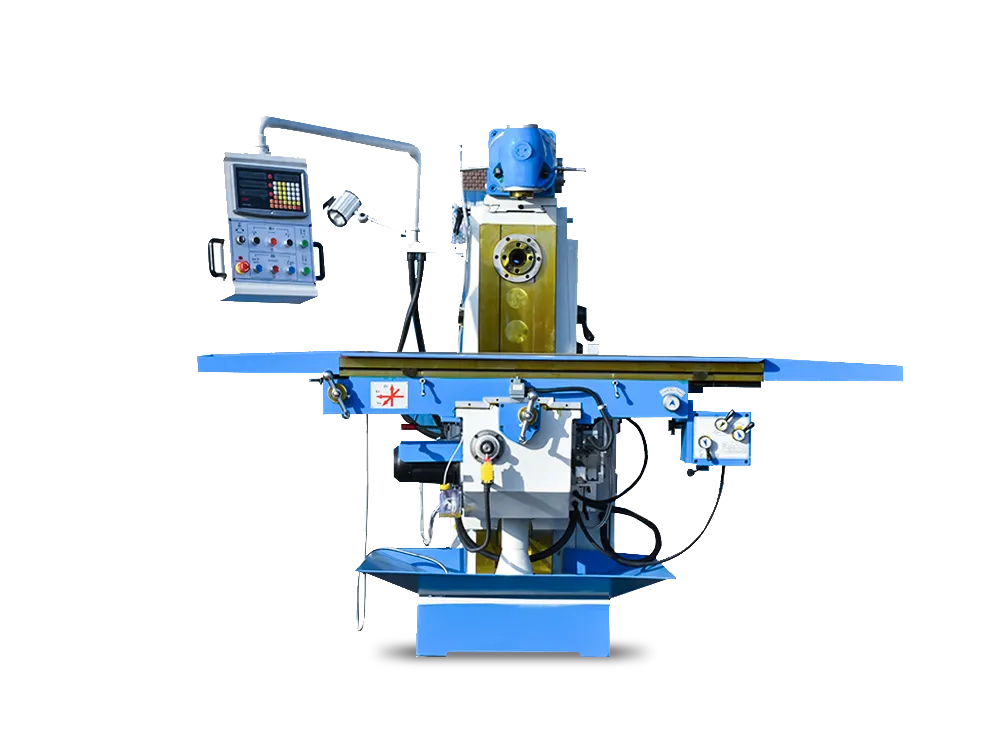
The spindle operates in a vertical position, moving parallel to the Z-axis. The design ensures exact perpendicular drilling into the workpiece. Operators can adjust the cutting tool’s vertical position as required. Vertical mills handle metals, woods, and plastics effectively. They do not require arbor attachments, making setup simpler.
- Horizontal Milling Machine
Horizontal Milling machines, also called plain milling machines, feature horizontally positioned spindles. The horizontal orientation provides excellent stability for heavy cutting operations. These machines excel at creating slots, grooves, and gear cutting operations. They offer three-directional workpiece feeding through table movement.
- Universal Milling Machine
This advanced version of horizontal mills includes a worktable that swings 45° on both axes. The additional axis enables helical milling operations and complex part machining. Universal mills can perform operations that typically require separate shaping machines. They produce milling cutters, reamers, twist drills, and spiral components.
CNC Milling Machine
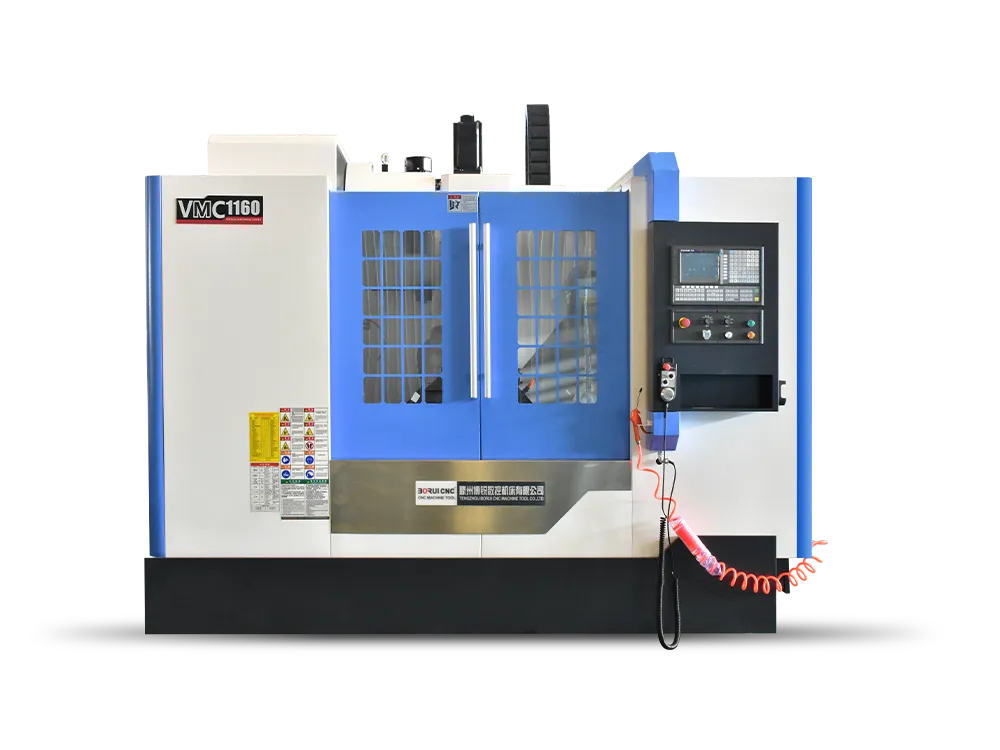
Computer numerical control technology automates the machining process. These machines increase production speed while reducing operation time. CNC mills can achieve spindle speeds up to 10,000 RPM and handle precision components with tight tolerances.
Specialized Machine Types
- Multi-Spindle Machines
Simplex machines feature single-direction spindle movement, typically vertical. Duplex machines use two opposing spindles that can work independently or together, increasing production by up to 50%. Triplex machines provide movement in X, Y, and Z directions for complex operations.
- Bed Type Milling Machine
These machines feature fixed tables that provide rigid support for heavy-duty operations. The spindle moves vertically while the table remains stationary. This design offers enhanced structural stiffness for large workpieces and stronger cutting forces.
Axis-Based Classifications
- 3-Axis Machines
Basic equipment with cutting tools moving in linear X, Y, and Z directions. These machines offer low cost and simple operations with minimal maintenance requirements.
- 4-Axis and 5-Axis Machines
Four-axis machines add rotational movement around one axis, enabling complex angular cuts. Five-axis machines use three linear axes plus two rotary axes, allowing high-speed production of complex parts.
- Advanced 6-Axis Systems
These machines provide movement in all three linear and three rotary axes. They can machine workpiece surfaces from all sides simultaneously without repositioning, delivering exceptional precision for demanding applications.
Industrial types
Different machine types serve specific industry needs.
- C-frame mills use hydraulic motors for industrial applications.
- Gantry mills feature long beds supporting multiple cutters for large part machining.
- Traveling column machines handle very long parts through horizontal column movement.
Key Components of a Milling Machine
A milling machine is based on various parts that add to the robust structure and precise milling operations. So, let’s analyze all those major components in detail.
Base: The milling machine is mounted on this foundational base. It keeps everything steady and absorbs vibrations from the milling operations. It must be sturdy to support the whole machine, so it is typically made up of rigid material such as cast iron.
Column: The cast iron column stands vertically on the base. It is basically the frame that holds the key moving machinery parts, like the spindle. Its function is to ensure smooth machining operations and help guide vertical movement.
Knee: Present over the column, it serves as the principal moving part that supports the saddle and table. It facilitates the movable worktable height for positioning the worktable for machining. The knee moves up and down the column. The knee includes the gearing mechanism.
Saddle: Positioned on the knee, the saddle serves as the connection between the worktable and the knee. It supports the table and allows it to move side to side. The saddle can slide on the guideway and move perpendicular to the coulum.
Table: The table offers a smooth, level area for workpiece placement. It moves in different directions, horizontally and vertically, so the cutting tool can reach various areas. It serves as a key component of the milling machine for precise operations.
Spindle: The spindle represents the primary component that drives machine operations. It is located in the spindle head and is powered by the motor located in the column. It spins the cutting tool at different speeds to shape the material. Mainly, the spindle design includes a shaft that holds various cutting tools.
Overarm and Arbor Support: Overarm is an optional part of the machine. Located at the column’s upper section, it serves as the arbor support. These parts give extra support to the cutting tool, especially in some machine types. They keep the tool steady during strong cutting actions.
Control Panel: In modern machines, the control panel serves as the command centre of the milling machine. Operators can adjust speed, direction, and other machining parameters. Sometimes touchscreens and other programmed computer controls are added for quick adjustments and automation.
Feed Mechanisms: These systems move the table and spindle automatically or manually, helping guide the tool or workpiece during cutting. Feed rate controls can help achieve smooth finishes and maintain tool life.
What materials can be processed by a milling machine?
A milling machine can process a wide range of materials, making it a versatile tool in manufacturing and workshops. These include:
- Metal options consist of aluminium, steel, stainless steel, brass, copper, titanium, and bronze.
- Plastics like acrylic, nylon, polycarbonate, and engineering polymers
- Composites, which include carbon fiber, fiberglass, and various matrix materials,
- Both types of Wood, including hardwoods and softwoods
Additionally, some milling machines are equipped to work with ceramics and glass, especially before final heat treatments are applied. Other processable materials include rubber, foam, and even stone for architectural or artistic uses. The choice of material usually depends on the required strength, finish, and application, while tool selection and cutting speed are adjusted to match material properties for the best results.
How Milling Machines Work?
Milling machines work by spinning a cutting tool at high speed. The workpiece is clamped firmly to a table. This table can move in different directions – left, right, forward, backward, up, and down. The spinning tool cuts into the material as the table moves. This removes small pieces of material bit by bit. The operator manages the cutting speed and depth. The table movement guides the tool to create different shapes. Flat surfaces, slots, holes, and complex designs can be made this way. CNC machines use computers to control all movements automatically. This ensures that parts have exact measurements every time.
Applications of Milling Machines
Not only industrial but milling machines serve important applications across manufacturing and technical fields, too. Here are some of them:
- In the automotive industry, they are used to machine parts and components. These include engine blocks, transmission cases, and suspension components.
- In aerospace, milling creates aircraft wings, landing gear, turbine blades, and many complex engine parts. They need to have tight tolerances and be milled with specific materials like titanium and aluminum.
- In electronics, they shape circuit boards, heatsinks, and connectors. Providing the detailed machining needed for high-pii/erformance devices.
- Medical and healthcare professionals regard them as core necessities. Milling produces surgical instruments, implants, prostheses, and medical device housings with a high level of accuracy.
- They help create furniture and woodworking components. Also, molds, dies, custom prototypes, and even research equipment are created with these machines.
Other industries include the energy sector, educational and training centers, and the research and development field.
Advantages and Limitations
Advantages
- High Precision and Accuracy: They produce parts with tight tolerances and detailed specifications. At the same time, these machines maintain consistent quality and accuracy across multiple pieces– even in large batches.
- Material Versatility: Works with metals, plastics, wood, composites, and ceramics. They handle both soft and hard materials effectively.
- Multiple Operations: They can perform various operations, such as cutting, drilling, slotting, and shaping, in one setup. This eliminates the requirement for numerous machines and configurations.
- Production Flexibility: Suitable for both small batches and large-scale manufacturing. They adapt to different part sizes and complexities, too.
- Automation Capabilities: CNC technology enables automated operation and repeatability. So, there is reduced human input, lowering the chance of error while ultimately increasing efficiency.
Limitations
- High Initial Costs: The equipment comes with a heavy investment, especially for advanced CNC systems. Also, costly specialized tooling and accessories are required.
- Skilled Operation Required: Machining operations require trained operators. They set up and program the software. Professionals need to be trained for higher expertise.
- Maintenance Demands: Regular maintenance is needed to maintain accuracy. Otherwise, there may be costly breakdowns if not properly maintained.
- Material Constraints: Very hard materials may cause rapid tool wear. So, some materials require special setups or cooling systems.
- Operational Complexity: Advanced multi-axis setups increase programming complexity.
Choosing the Right Milling Machine
Now that you have had an idea of the milling machines, here are some pointers to ponder when choosing a milling machine for your workshop or factory:
Machine Type:
There are different types of milling machines designed for specific shapes and uses. For detailed parts or special geometries, select a machine type that closely matches the workpiece requirements—such as choosing a universal mill for multi-angle operations or a bed-type machine for heavy materials.
Workpiece Size:
The size of your parts matters. Larger workpieces usually require a gantry or moving column machine, which offers enough space and travel to support big projects. Smaller machines work well for precision parts or limited workshop areas.
Control System:
Opt for a control system that corresponds to your work needs. CNC control systems are highly adaptable and allow for greater precision and automation, handling complex jobs with ease. Manual milling machines offer a budget-friendly option and are suited for simpler projects or basic training.
Build Quality:
A sturdy machine is essential for reliable operation. Look for a build with strong materials and solid construction. Poor build quality can lead to excessive vibration and lower accuracy, as well as faster wear and tear.
Budget:
Milling machines can vary greatly in cost. Define your budget early. This will help narrow the choices, balancing initial investment against long-term usage and maintenance costs.
Configuration:
Decide between vertical and horizontal machines. Vertical mills are compact and fit in smaller workshops, ideal for precision work or limited space. Horizontal mills offer more stability for large, heavy parts. They are suited for high-volume or industrial operations.
Conclusion
A milling machine is a vital tool in modern manufacturing, enabling the precise shaping of a wide range of materials. With various types and capabilities, it delivers accuracy and versatility for simple and complex tasks alike. Choosing the right machine ensures efficient production and quality results, making milling essential in industries around the world. So, contact the right milling machine manufacturer and elevate your production with these incredible machines.