
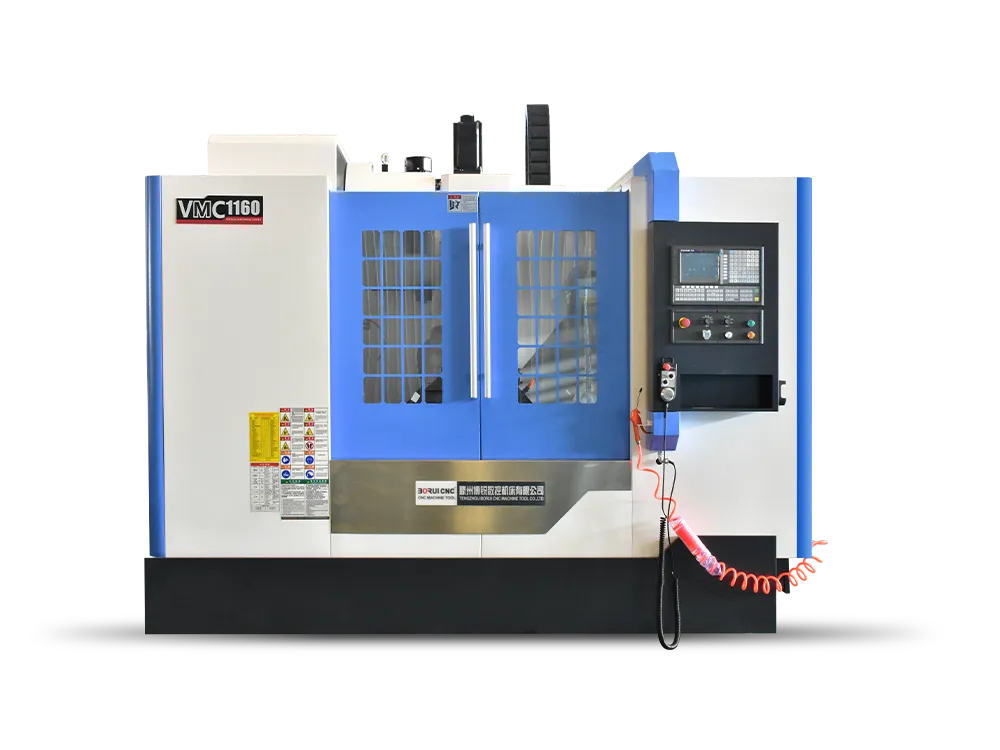
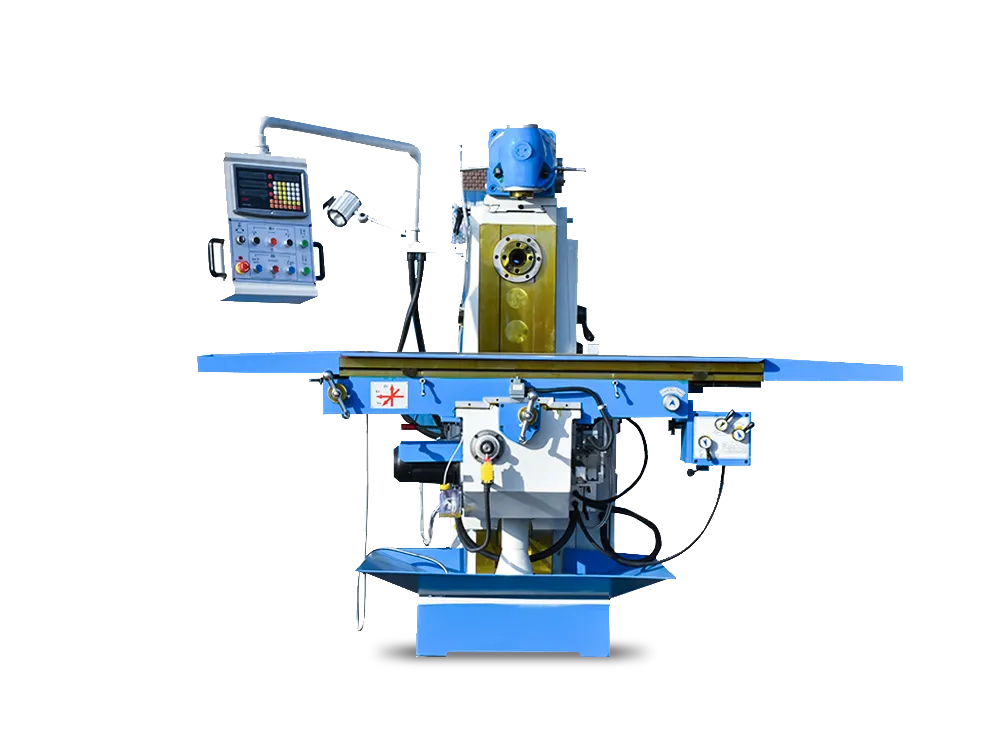
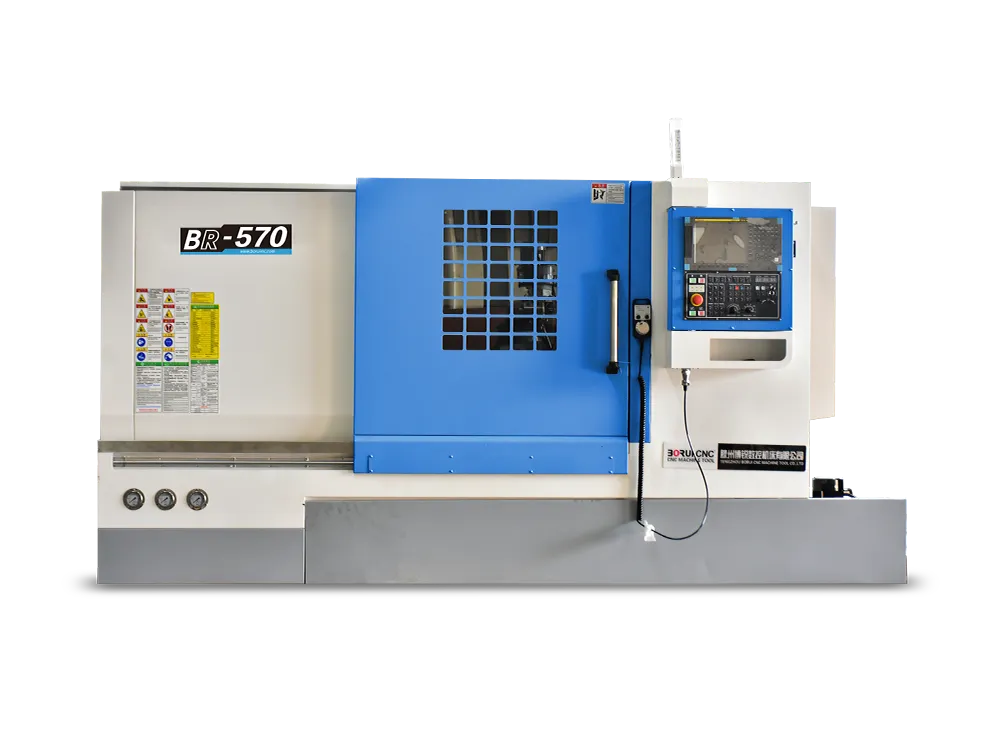
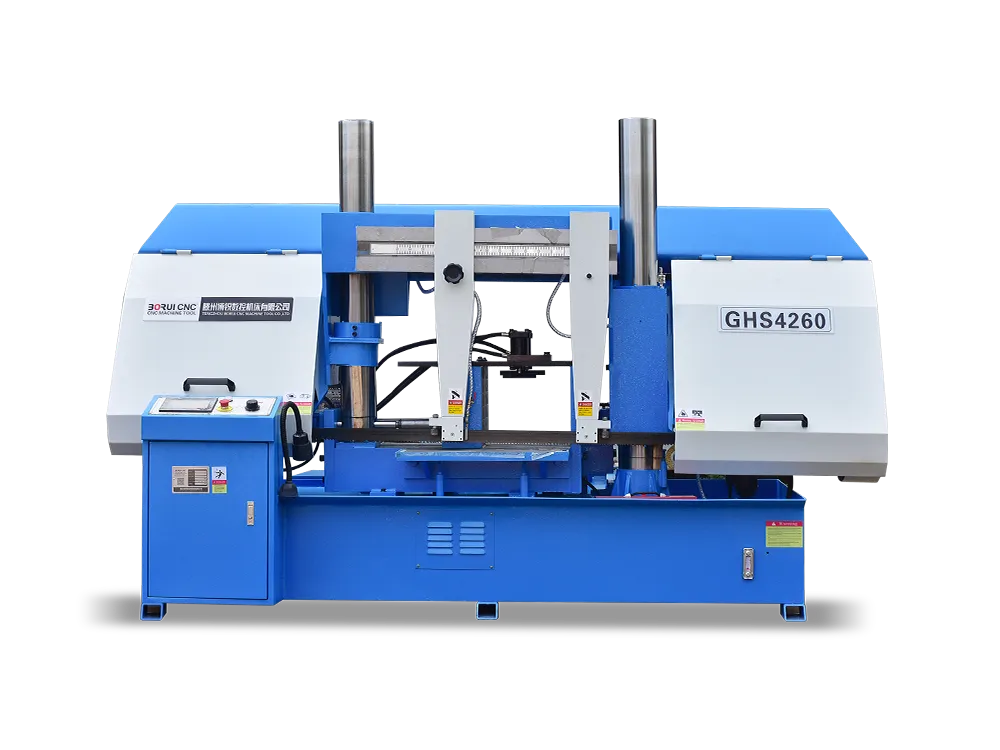

The Advanced CNC machines have revolutionized the manufacturing process. Their efficiency, high precision, and ability to perform complex machining tasks are unmatched. They cut, drill, shape parts and components with high accuracy. Central to this innovation are 3-axis and 5-axis CNC vertical machining centers. They both serve various industries, from the automobile sector to small industry. Their capabilities and market trajectories diverge in important ways. With the high global demand for innovation and customization, the CNC machine market has seen significant growth in recent years. And the automation and digital control fuel the adoption of these workhorses. So, comparison between 3-axis and 5-axis CNC vertical machining centers is a critical topic for manufacturers and investors alike.
Market Overview
Now, considering the current high demand for CNC machines, particularly the 3-axis and 5-axis segments, the market exhibits robust growth.
Recent market analysis shows the global 3-axis and 5-axis machining center estimated market valued at $11.41 billion (US Dollars) in 2024. The market is projected to grow at a steady rate through 2034 and beyond, with an estimated value of 1.43 billion (US Dollars) in 2034. The compound annual growth rate (CAGR) for the 3-axis and 5-axis CNC machining sector is expected to be forecast at 3.7% between 2025 and 2034.
3-Axis 5-Axis CNC Vertical Machining Center
3-axis CNC machines operate along the X, Y, and Z axes, enabling automated tool movement for straightforward milling, drilling, and tapping tasks. Their strength lies in producing flat surfaces, slots, and basic contours, making them suitable for components where all features can be accessed from a single setup. Small- and medium-sized enterprises (SMEs) especially rely on these for batch production and prototyping.
5-axis CNC machining adds two rotational axes (usually A and B or A and C) to the traditional X, Y, and Z movement, enabling the machining of multiple faces, undercuts, and intricate geometries in a single setup. This not only reduces part handling and fixture changes but also allows superior surface finish and tighter tolerances. Click here to see the difference between 3-Axis and 5-Axis CNC machines.
Key 3 Axis 5 Axis CNC Vertical Machining Center Market Trends
There are several trends shaping the growth of the 3-axis and 5-axis machines market. With the ease of automation and advanced technology, manufacturing industries are undergoing a major shift to smart factories. These machines boost efficiency and cut costs. They are capable of producing complex parts and geometries with tight tolerances. Ultimately, this makes 3-axis and 5-axis machining centers stand out.
The application of these Vertical Machining Centers spans a range of industries. It includes sectors such as aerospace, automotive, shipbuilding, marine, and many more. And now, with the ease of automation, these industries are expanding in developing countries. This drives the growing demand for these machines.
The key driver of the growing market is the integration of 4.0 technologies and Artificial Intelligence (AI). It enhances the connectivity of machines and productivity through innovative manufacturing processes. Improved connectivity leads to essential real-time data analysis. However, AI benefits in automatic problem detection, predictive maintenance, and reduced machine downtime. It also leads to fast production cycles and minimal material wastage. Some CNC centers feature 3D printing technology, combining additive methods for prototyping and custom production.
Advanced software is being introduced for these CNC machining centers. At the same time, some manufacturers offer training programs to maximize their operational capabilities. In this era, compact machines meet the needs of small businesses. Altogether, these trends are making CNC machining smarter, greener, and more adaptable to modern manufacturing needs.
Market Segment Insights
Here are some 3-axis and 5-axis CNC vertical machining centers market insights based on different segments.
Application:
3-axis and 5-axis vertical machining centres serve in a wide range of industries. It includes large industries such as automotive, marine, aerospace, electronics, defence, and energy. Their applications vary across different sectors. For example, the aerospace industry uses these machines for building aircraft parts, while the electronics sector manufactures electronic circuits and custom components. These parts are built with high precision to meet the demands of the industry. The expansion of these industries has been significant in recent years, with steady revenue growth. From 2023-2024, the CAGR is 4.2% with a value of 12.89 billion (US dollars)
Machine type:
The market is predominantly segmented into 3-axis and 5-axis vertical machining centers. 5-axis is receiving more focus since it can cut complicated shapes and requires tighter tolerances. The machines assist in challenging applications in the aerospace, auto, and medical industries. 3-axis versions continue to be well used in general manufacturing, metal fabrication, and small shops that deal with simpler components. The 5-axis transition indicates the trend toward more complex designs and the necessity to increase productivity.
Control system:
Different types of control systems, such as CNC, PCL, etc, are integrated with 3-axis and 5-axis vertical machining centers. In 2023, there is a huge revenue share for the CNC segment with 1.2 billion (US dollars). This is due to the adoption of an automated manufacturing process. PLC and open CNC also account for significant growth in the industrial sector.
Table size:
The CNC machining centers market is segmented by table size. These machines come with a wide range of table sizes, from small (less than 1m), medium (1-2m), to large (over 2m). Small 3-axis 5-axis CNC vertical machining centers with compact tables are popular for prototyping, dental, and electronics work. Large tables are chosen for applications needing to handle big automotive parts, molds, or aerospace structures. The ability to customize table size lets factories match machines to their exact production needs and available floor space. Flexible sizing also supports the growing demand for custom and low-volume jobs.
Regional Market Trends
The adoption of CNC vertical machining centers varies across regions, shaped by industrial maturity, labor dynamics, and technology infrastructure.
North America: Strong aerospace, automotive, and medical sectors drive demand for 5-axis CNC. The US is a global leader in machine tool adoption. Many manufacturers are investing in Smart Factory concepts.
Europe: Germany, Italy, and Switzerland are hubs for advanced CNC technology. They reflect a tradition of precision engineering and export-driven manufacturing.
Asia-Pacific: China, Japan, South Korea, and India are rapidly expanding their footprint in both 3-axis 5-axis segments. China, as the manufacturing superpower, leads in volume. While Japan is known for innovative 5-axis solutions. Southeast Asia’s growth is propelled by electronics and automotive investments.
Middle East & Africa: Here, the adoption is low-paced compared to other regions. But they are investing in technology. Also, they have government support initiatives for infrastructure projects, oil & gas, and ambitions for local aerospace manufacturing.
Competitive Landscape of 3 Axis 5 Axis CNC Vertical Machining Center Market and Key Players
The Market is full of competitive players. The competitive Landscape is a mix of experienced manufacturers and emerging players. The key players have a strong focus on rapid technological advancements and innovation. They prioritize research and development to produce highly accurate machines to gain market share.
Companies try to enhance their product features, services, and differentiating strategies. This includes pricing, delivery, and sustainability practices. They value customers by offering special training programs to expand their market reach. Some prominent names include:
- Yamazaki Mazak
- DMG MORI
- Okuma
- Haas Automation, Inc.
- TRUMPF Group
- Makino
- Hurco
- BORUI CNC
Market Challenges
There are several challenges faced by the Market. Manufacturers feel pressured to bring innovation to maintain their profile in the market. They have to compete in the market by introducing new technological features while remaining cost-effective.
As with the advanced features, these 3-axis 5 Axis CNC machining centers are initially high priced. And also, they need to be operated by a skilled technician. All these reasons make it hard for a low-cost manufacturer to compete in a highly innovative and competitive market.
Market Segmentation
By Application
- Automotive
- Defence
- Aerospace
- Electronics
- Medical
- Metal Fabrication
- Energy
- Defence
- General Manufacturing
By Machine Type
- 3-Axis
- 4-Axis
- 5-Axis
By Technology
- PLC
- CNC Control
- Open CNC
By Spindle Type
- Direct-Driven
- Gear-Driven Spindles
- Belt-Driven Spindles
By Table Size
- Small Tables (less than 1 meter)
- Medium Tables (1-2 meters)
- Large Tables (more than 2 meters)
By End-User Industry
- Research and development facilities
- Manufacturers
- OEMs
- Workshops
By Geographic Region
- North America
- Europe
- Latin America
- Asia Pacific
- Middle East & Africa
Key Takeaway
The CNC vertical machining center market, particularly 3-Axis and 5-Axis, is highly competitive. It’s growing at a steady pace. As the demand for complex parts and components rises, the 3-Axis 5-Axis CNC Vertical Machining Center market will experience continuous advancement and expansion. Manufacturers continue to introduce innovative features like AI and IoT to their machines. While 5-axis machines are more advanced than 3-axis machining centers, they have a higher market share. With new technologies and sustainable manufacturing, CNC centers will continue to evolve. While there are some challenges, companies that invest in skilled operators, smart factories, and flexible solutions will stay ahead in this changing market.