
What makes a machine capable of carving aircraft wings, ship components, or massive energy parts with micro-level precision? The answer lies in the gantry machining center, a bridge-like structure designed to span over large workpieces. Originating from 19th-century milling innovations, today’s gantry mills are indispensable in aerospace, automotive, and heavy engineering industries worldwide.
In this article, you will learn about what a gantry machining center is, how it works, the benefits of using it, and its types.
What is a Gantry Machining Center?
Gantry machining center consisting of two columns and a beam, operates a high-speed spindle. Like other CNC machining centers, It aims to design powerful, complex, and heavy-duty machinery with care and precision.
Its features involve the ability to carve extremely large and heavy machines. This makes it essential for vast industries such as aerospace, heavy manufacturing, shipbuilding, and energy.
To improve productivity, it includes components such as an automated tool changer and a multi-axis system, allowing for a reduction in downtime.
It uses a high-speed moving spindle with superior rigidity and steadiness. This is carefully done in the machine to ensure the protection of the heavy machines.
How The Gantry Machine Works
This technology utilizes a computer-aided software program designed to meet the specific requirements of the machinery, which then converts it into G-code.
- It has software that allows the machine to perform calculated movements according to the coordinates directed in its data.
- To translate the G-code to carry out its task, it has a fixed microcontroller, also known as a Control Unit.
- It sends electrical signals to the motor drivers, which are specialized components that act as the link between commands and movement.
Types of CNC Gantry Machining Centers
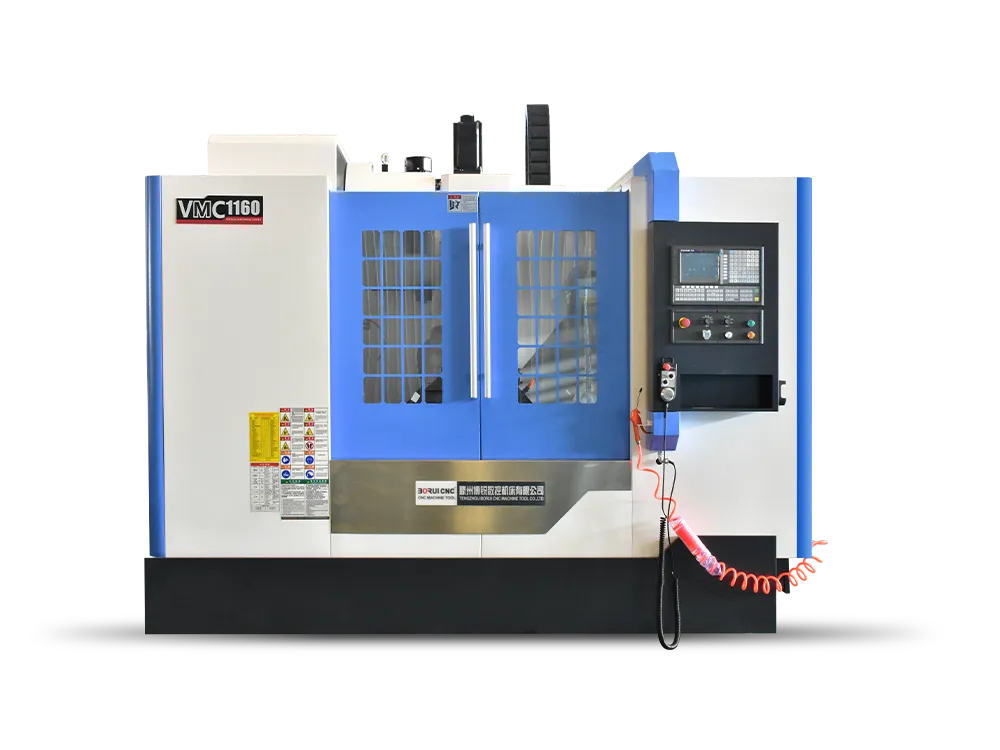
CNC gantry machining centers have varied structures that serve different machining functions.The same structural logic applies when comparing horizontal and vertical machining centers.
- Horizontal CNC gantry machining centers are better suited for heavy-duty tasks that require high power.
- While the vertical CNC gantry machining centers are equipped for more precise tasks that require speed, they are less powerful.
- A more common subtype is the bridge-type CNC gantry machining center, which incorporates a fixed bridge frame and a movable gantry.
This enables the machine to handle heavy workpieces, which is particularly beneficial for the shipbuilding and aerospace industries.
Benefits of Gantry Machining Centers
There are many benefits to using gantry machining centers, such as:
- These are specifically developed to handle exceptionally large heavy machinery.
- It minimizes unnecessary deflection and vibrations caused by friction, while upholding strength on vast surfaces with accuracy.
- They can perform diverse functions such as milling, tapping, and drilling.
- It has reduced processing times, directly increasing productivity.
- It is a cost-effective solution.
- It is not labor-intensive with advanced features such as robotic loading systems. This enables an uninterrupted workflow.
- These machines are compatible with a wide range of materials, including metals, plastics, and composite substances.
Conclusion
Lastly, it is expected to understand the essential role of gantry machining in the industry. Their attention to detail, strength, and efficiency make them vital for the aerospace, energy, and automotive industries. Utilizing it increases productivity, enabling large-scale innovation and a reformed work environment. Companies like BORUI CNC are providing a BR3018 CNC gantry machining center, a milling machine for heavy-duty work.